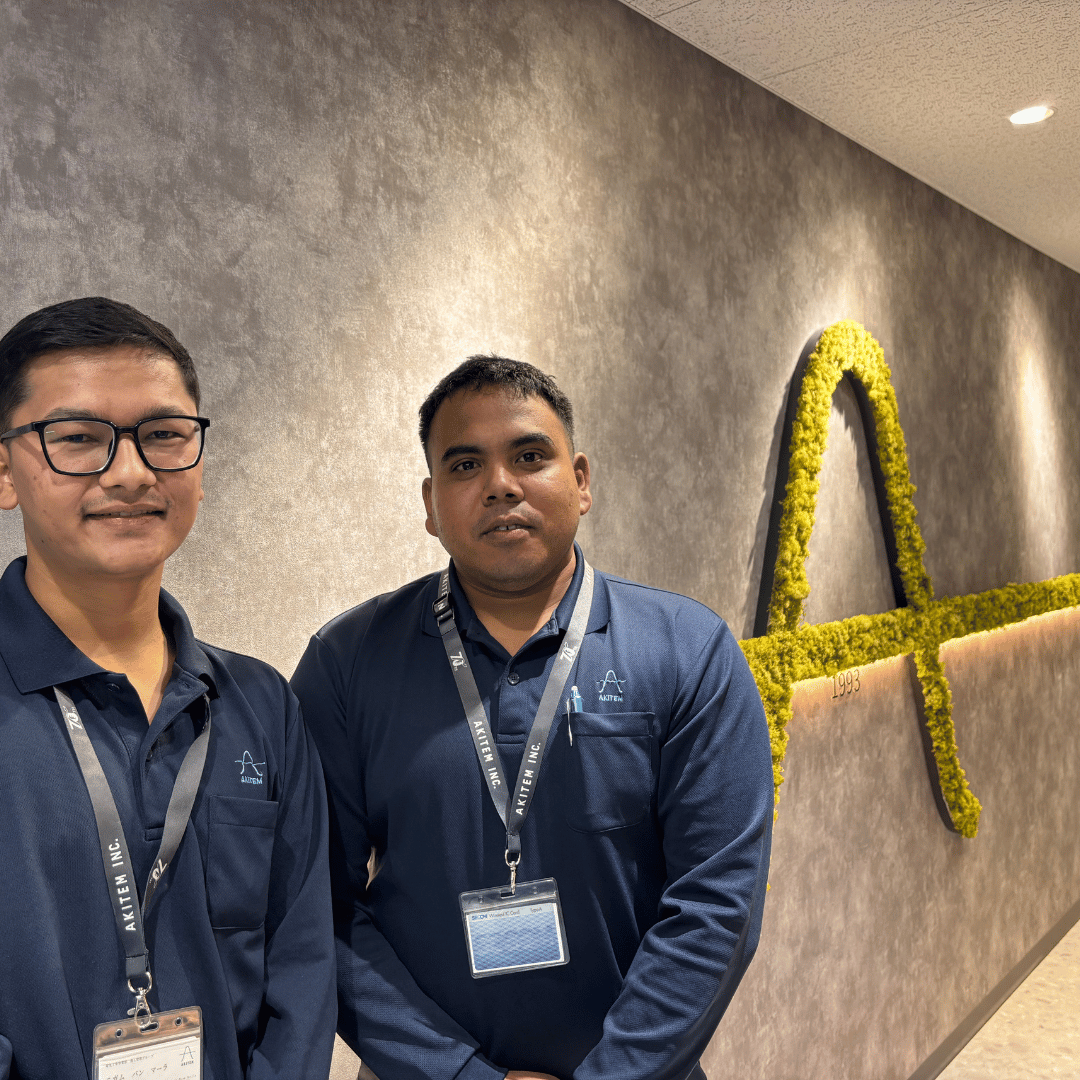
Nigam and Umesh studied electrical and electronic engineering in Nepal with the goal of becoming electrical engineers. One year after arriving in Japan, both now work in construction management for electrical works at Akitem in Tokyo. When they first arrived, they could barely hold a conversation in Japanese — today, they answered this entire interview in Japanese. Since coming to Japan, Nigam has also passed his first Japanese qualification as a Second-Class Electrician. We asked the two about their work on site, how they study Japanese, and their life together, and they also shared a message for juniors who hope to work in Japan. We also spoke with Mr. Imamura, their manager, and Ms. Kawakami, who supports them.
About the Company
Akitem Inc. is a one-stop shop for building services, founded in 1952 and
headquartered in Meguro, Tokyo.
With four
specialties in one organization — electrical installation, integrated building
management, renewal construction, and property management — Akitem
covers every stage of creating,
protecting, and fully utilizing a building. Each business brings its own
expertise while working in synergy with the others, and keeping buildings
valuable over the long term is what sets Akitem apart.
Alongside technology, there is one more thing the company
values deeply: people.
Its mission is to “construct valuable buildings with high technology and
maintain buildings with value over a long period,” and to make everyone involved with its
buildings fulfilled. Guided by this mission, Akitem values its
connections with everyone who has a part in a building, including employees,
partner companies, and clients.
The company is also committed to creating an environment where every individual can grow and make the most of their abilities, regardless of age or nationality. Today, employees from Nepal and many other countries and backgrounds work at Akitem. For Nigam and Umesh, too, colleagues led by Director Imamura support their growth every day — not only through Japanese language training, but also through on-the-job training on site and in-house study sessions.
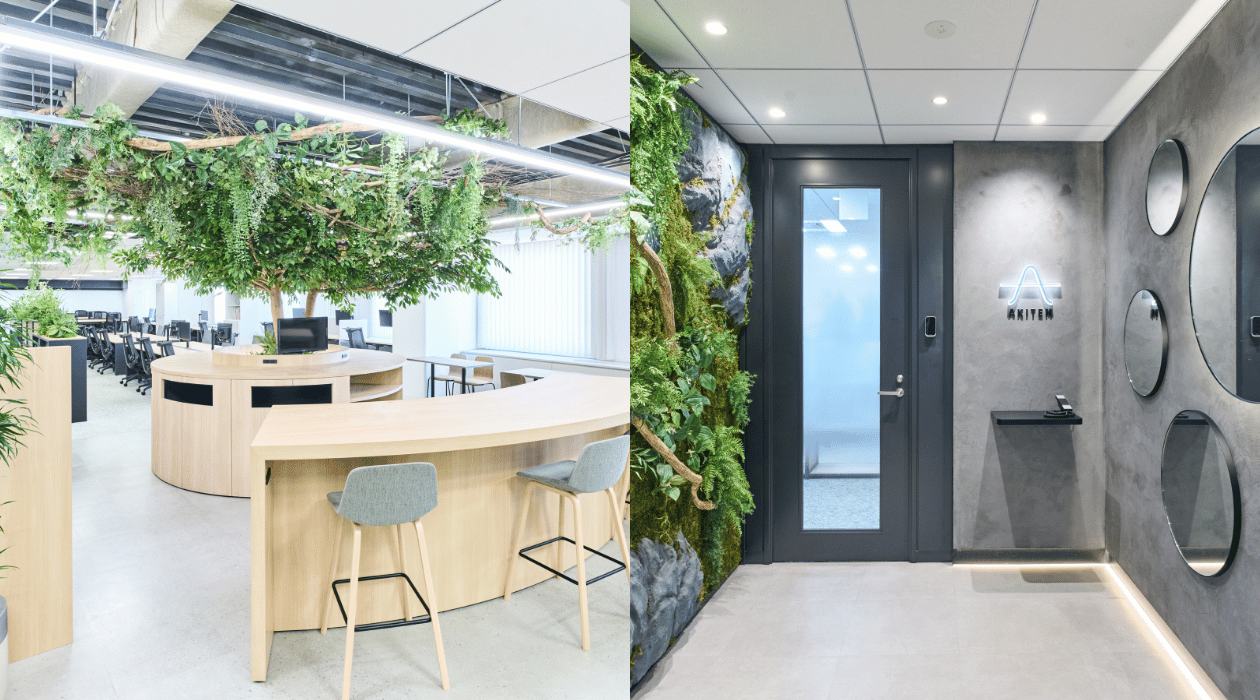
Inside the office
“I wanted to learn Japan’s advanced technology and strict safety
management”
— First, please
introduce yourselves.
Nigam: I’m Nigam, from Nepal. It has been a year since I started working in Japan. I work in Akitem’s Electrical Construction Department. Mr. Imamura and everyone around me are kind and always support me, so I’m glad I came to Japan.
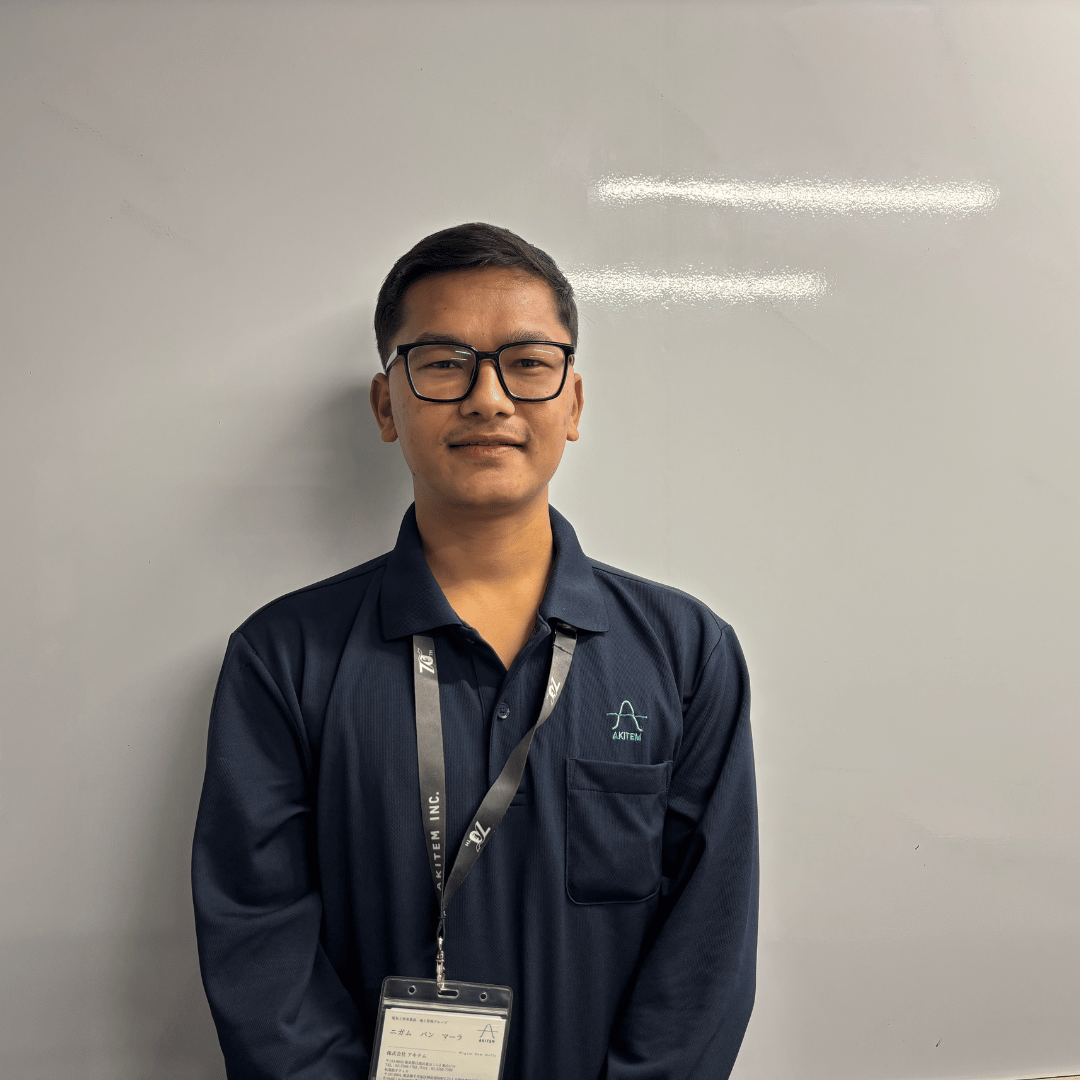
Nigam
Umesh: I’m Umesh. I work in construction management for electrical works. At first I couldn’t speak much Japanese, but with a lot of support from Mr. Imamura, Ms. Kawakami, and others, I can now speak it fairly well.
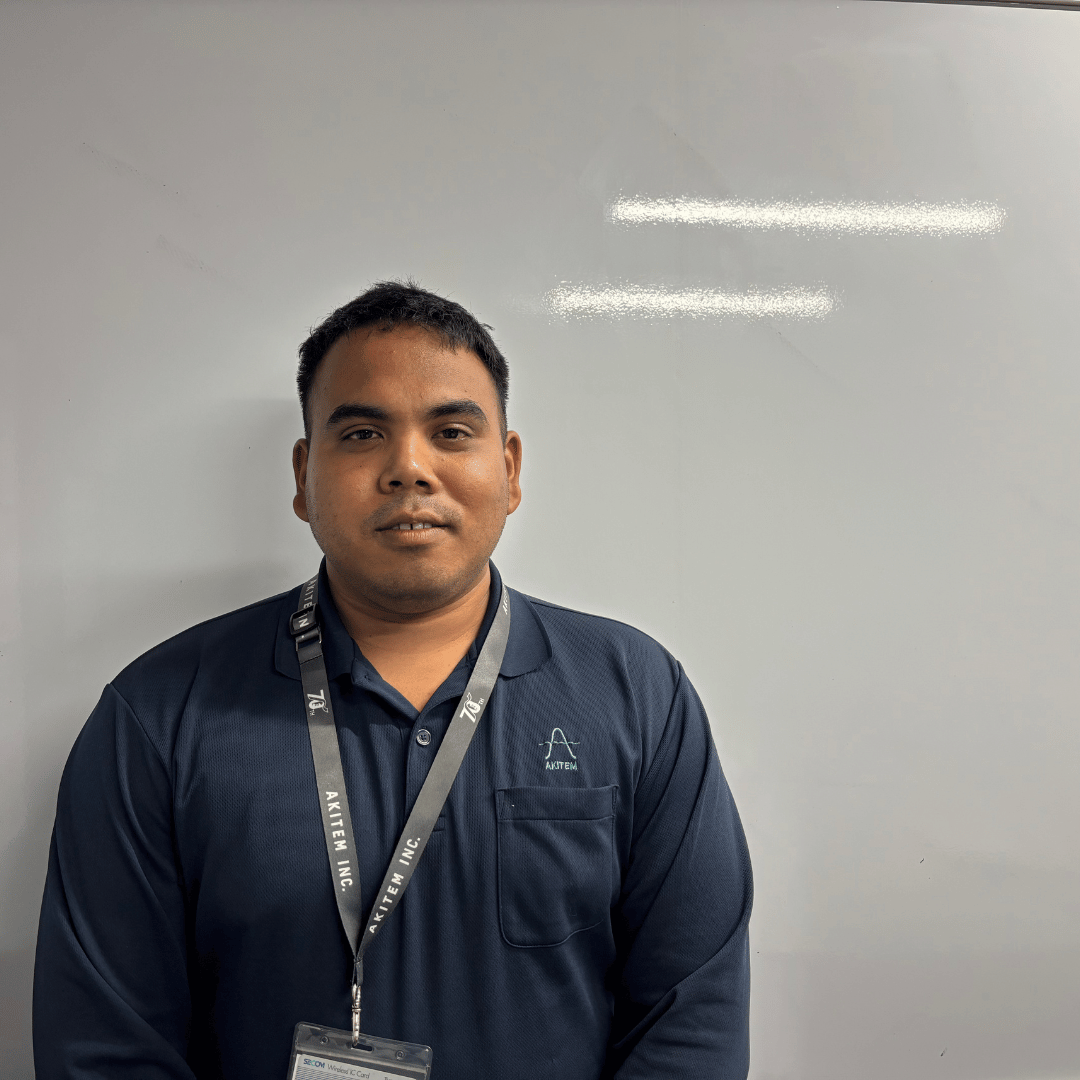
Umesh
— What made you want
to work in Japan?
Nigam: It all
started with my older brother. When he was a student, he traveled around Japan
for about two weeks and stayed with a Japanese family. Ever since then, he has
had a very good impression of Japan. When I had my interview with Akitem, I
asked him for advice, and he told me, “Japan is a great place.” He now works as
a doctor in Nepal.
I’ve also been interested in Japan for a long time because I
love anime and manga. When I looked into it myself, I learned that Japan has
advanced technology and very strict safety management on construction sites. I
wanted to learn that in Japan, so I took this opportunity and came here.
Umesh: When I
graduated from university, I could have taken a different job in Nepal. But
friends who were already working in Japan had told me about all kinds of
experiences there. What I was really interested in was electrical work for
buildings — the same work I do now.
Electrical systems in Japanese buildings are complex, and
the technology is advanced. I thought that if I studied in Japan, I could use
those skills anywhere in the future, so I applied for an interview with Akitem.
“In construction management, safety comes first”
— What kind of work
have you done since joining the company?
Umesh: At first,
the language barrier made things difficult even when people taught me. Now I go
to various sites and learn the names of materials and how the craftsmen do
their work. The most important thing in construction management isn’t just
managing — it’s safety. I’ve also come to understand what I need to do to keep
everyone safe.
So far, I’ve worked on two sites. I take photos before,
during, and after construction, organize them in order, compile them into
reports, and submit them to my senior colleagues. A university campus site was
the first one Nigam and I worked on together, and I was in charge of checking
materials and quantities.
Nigam: Until now,
Umesh and I have worked on the same sites, but from now on we’ll be on
different ones. At the university site, I checked whether the work was done
according to the drawings and whether the quality was up to standard, and I
also managed the photo records. On a lighting installation site, I checked that
the lights and bases matched the drawings and took care of the cleanup as well.
Whenever I don’t understand something, my senior colleagues
explain it as many times as I need. They guided me carefully, saying, “I’ll
show you how first, so next time try doing it the same way.” At our in-house
study sessions, Mr. Imamura also teaches us a lot about the job.
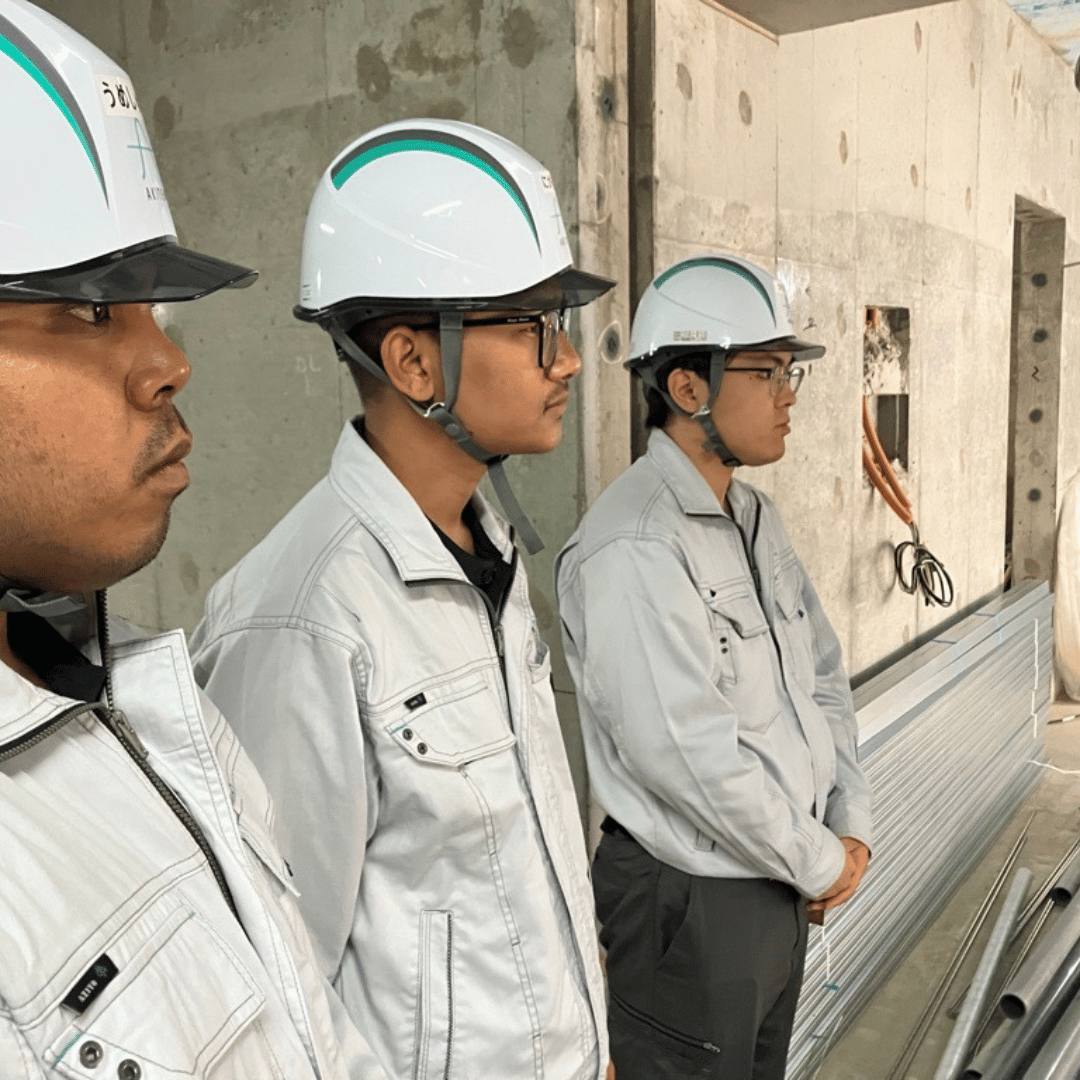
On site
— Nigam, we heard you
passed a qualification exam.
Nigam: Yes. It’s
my first qualification since coming to Japan: Second-Class Electrician. The
hardest part was the Japanese, especially the kanji. But it was a
multiple-choice exam, so I managed to pass.
— How do you study
Japanese?
Umesh: Every
week, we have a two-hour class with a teacher at the company. Beyond that, I
talk with people on site and at the office every day and ask them about words I
don’t understand. At study sessions, Mr. Imamura and other colleagues teach us
all kinds of words. The words I learned most recently are tokuchūhin and
kiseihin — “custom-made products” and “off-the-shelf products.” I also study at
home every day.
I studied Japanese in Nepal too, but the real pronunciation
was completely different, and at first I couldn’t understand it. By talking
with many different people and hearing different ways of speaking, I think I’ve
gradually improved.
Nigam: The
Japanese spoken by colleagues our age is difficult. But everyone adjusts to our
level when they talk to us. Our teacher created a study plan tailored to us,
and we study according to that plan.
— Compared with when
you were in Nepal, where do you feel you’ve grown the most?
Nigam: I think
I’ve grown both in technical skills and as a person. On site, everyone always
follows the safety rules and work rules. Since we’re in Japan, we make sure to
follow Japanese rules too. On the technical side, I can now revise CAD drawings
and move work forward on site by reading the drawings.
“Umesh is our cooking teacher”
— What is your
relationship with the craftsmen on site like?
Nigam: Everyone
is very kind to us. Once, at a university campus site, we made a mistake in our
work. The craftsmen pointed it out, but afterward they carefully explained what
had gone wrong and even took us out for a meal. Everyone is kind.
Kawakami: At the
university campus site, the craftsmen stayed with them and taught them
Japanese. They’ve really taken the two under their wing.
— What do you do on
your days off?
Umesh: So far
I’ve been to Hakone and to Shinjo in Yamagata. In Shinjo, I enjoyed having
drinks with friends.
Nigam: Rather
than traveling, I enjoy exploring around Tokyo. I’ve gone to baseball games and
to the Meguro Sanma (Pacific Saury) Festival.
They also joined an outing of the company’s fishing club and tried boat fishing for the first time. Despite getting seasick, they still managed to reel in some fish.

On the boat fishing trip
“Sincere, humble, and grateful — that’s what makes you want to teach them”
— Mr. Imamura, Ms.
Kawakami, how have the two changed over the past year?
Kawakami: Their
Japanese has definitely improved. When they first arrived, it was hard to have
a real conversation with them. But they studied very hard, and everyone around
them made a point of talking to them, too.
Beyond Japanese, they’ve also grown a lot as working professionals. They now follow the rules together with everyone else. I think it’s amazing that they’ve come this far after such a big change in environment. And they’re both very humble.
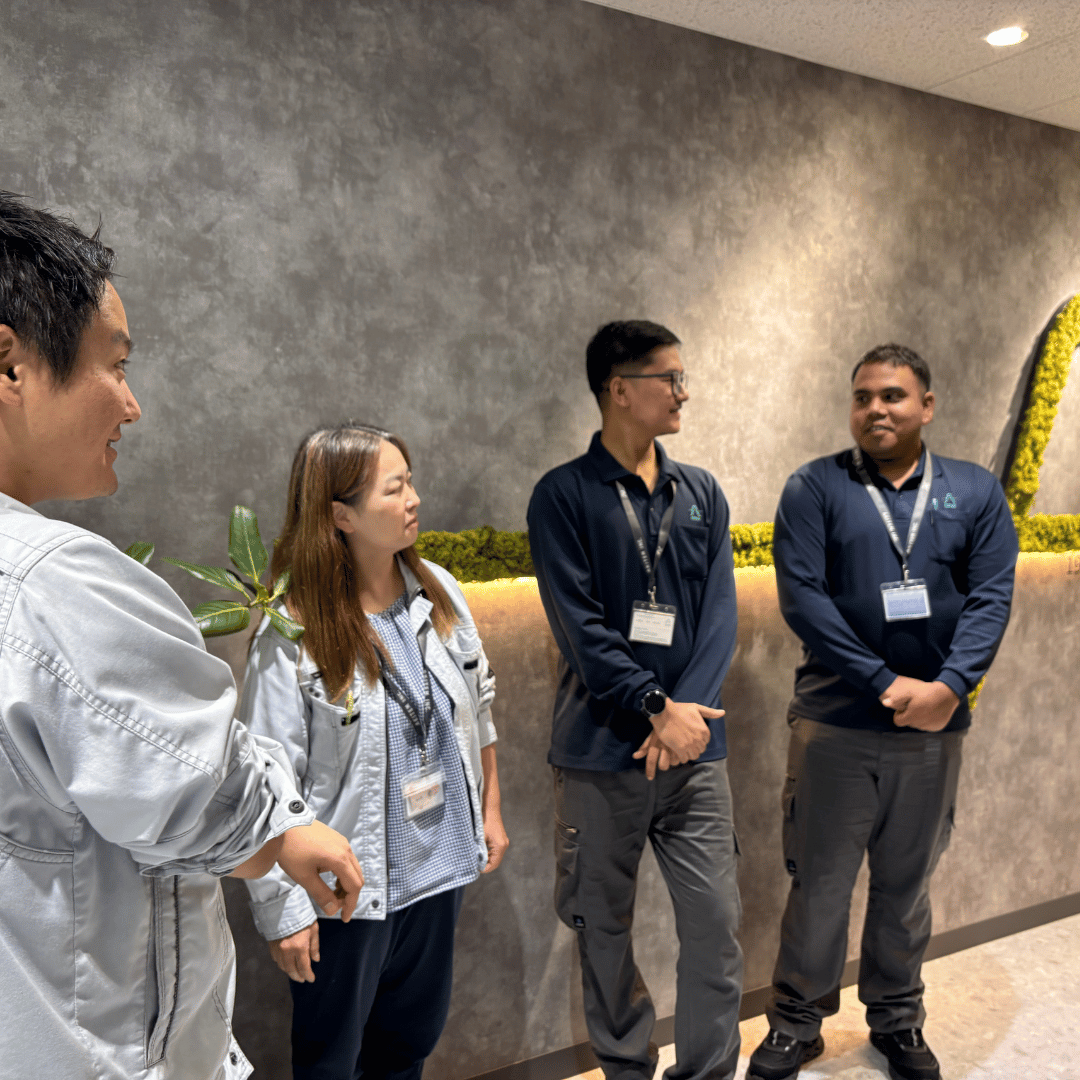
During the interview
Imamura: They
make an effort to match Japanese manners, such as how to bow. That humble
attitude creates an atmosphere that makes people around them feel close to
them.
When we teach them something, they take notes and review it,
and the next time we ask, they remember everything. When we contact them
through our internal communication tool, they reply right away. They really
make you want to teach them. When they joined, I told them to value being
“sincere, humble, and grateful,” and they’ve stuck to that faithfully. They’re
sincere by nature, and they never fail to say “thank you.”
When I went to Nepal, they messaged me at just the right
moment to ask, “Have you arrived yet?” They are truly thoughtful toward others.
Their character makes you want to build a real relationship with them, and I
feel it’s drawing in all of us Japanese staff, too.
— You answered
today’s entire interview in Japanese, too.
Imamura: They
rarely use English and try to speak Japanese as much as possible. I think
that’s one of the reasons they’ve improved so much.
Nigam: At home, we sometimes mix Nepali and Japanese. But at work, we use Japanese as much as we can.
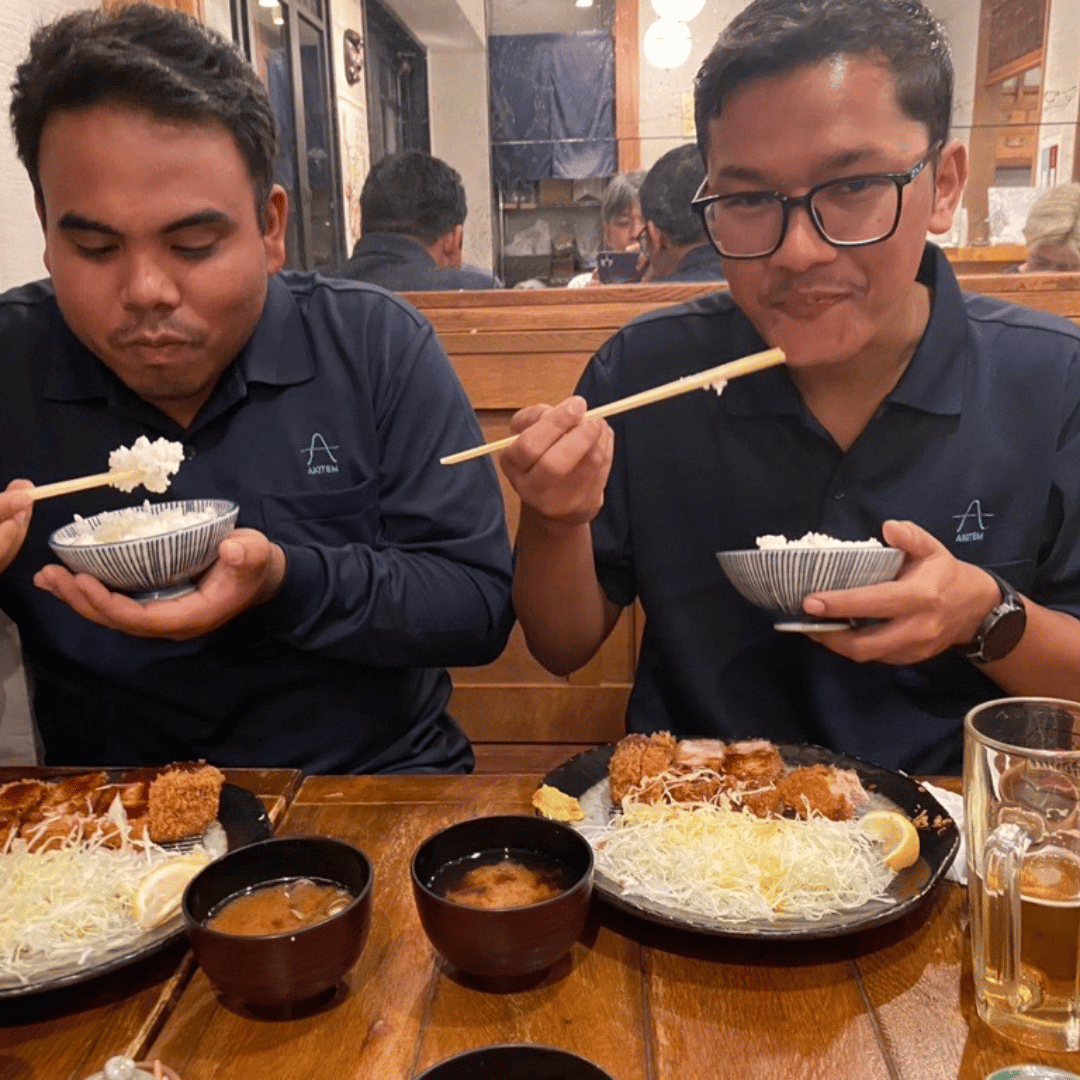
Their colleagues often take them out to lunch.
“With an open mind and gratitude, you’ll be fine”
— Please tell us
about your future goals.
Umesh: I want to
be able to manage a site entirely on my own, from start to finish. That’s what
I’m studying for now. I also want to get even better at Japanese.
Nigam: To be able
to manage sites on my own, I want to obtain the First-Class Construction
Management Engineer qualification. It looks very difficult, but I want to be
able to pass it.
Kawakami: Their
first goal is to see one small site through from start to finish. After that,
to complete an entire new condominium building. Once they become the person in
charge, they’ll attend site meetings, so I’d like them to reach a level of
Japanese where they can speak up confidently there.
— Finally, please
share a message for young people in Nepal who want to work in Japan.
Nigam: You may be
worried about cultural differences and the language barrier in Japan. But if
you work hard with an open mind, humility, and gratitude, it will surely become
an opportunity you’ll be glad you took. Come with confidence.
Umesh: For people from Nepal, the biggest barrier is Japanese. But everyone is kind and teaches you all kinds of words, so there’s no need to worry. The company has given us a lot of support, and people who come in the future will receive the same support. I think it’s a good environment for anyone.
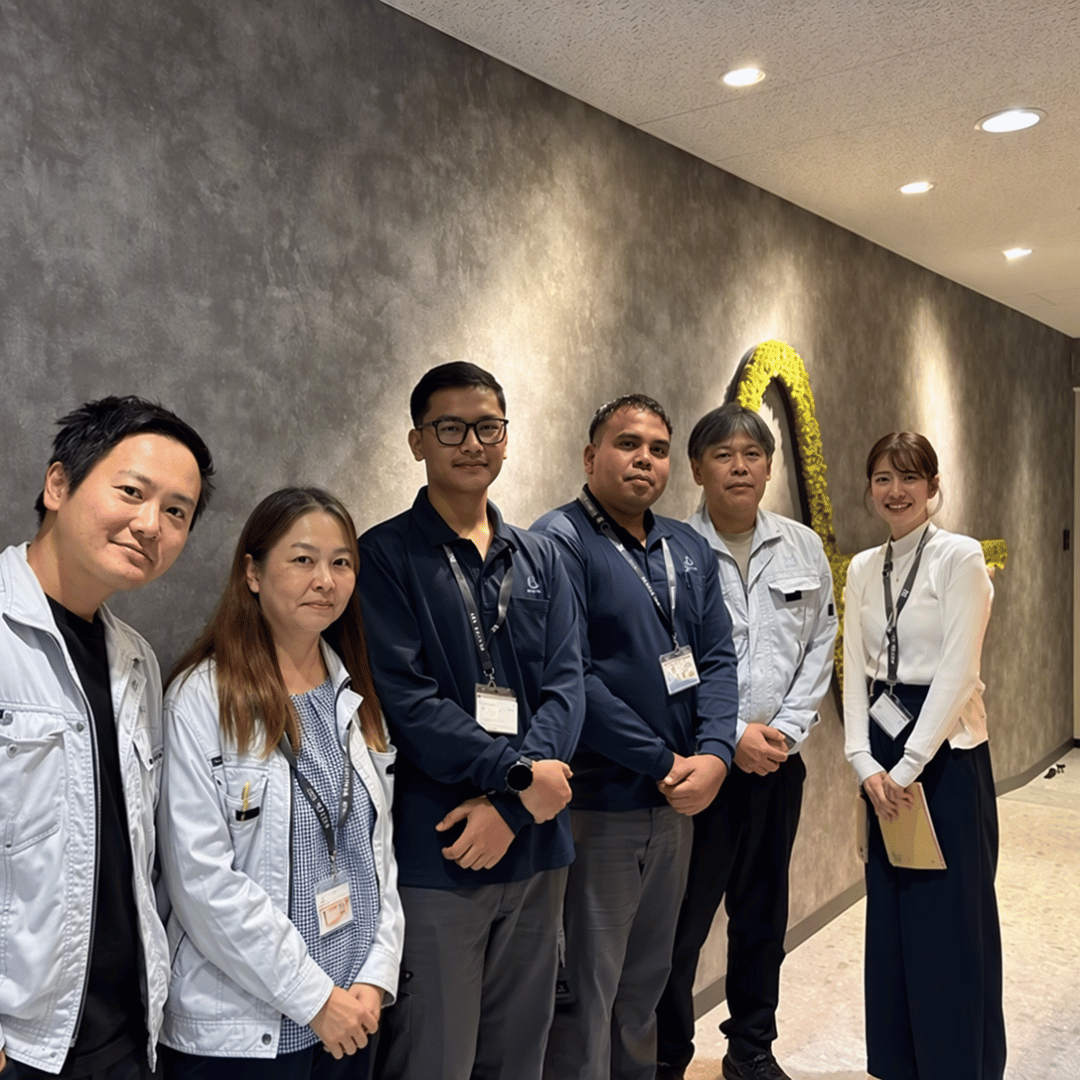
With two members of the Talent Strategy Team, Mr. Imamura, and Ms. Kawakami
Guests: Nigam and Umesh (from Nepal), Mr. Imamura (Director), and Ms. Kawakami of Akitem Inc.
Japanese Language Articles Available here.
YOU MAY ALSO LIKE