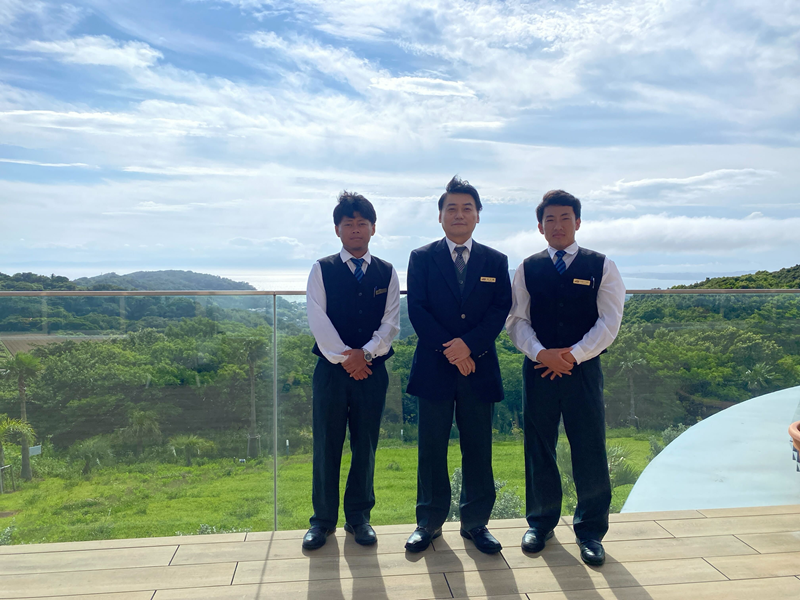
TKP Corporation is known for its innovative use of space, transforming underutilized locations into hotels, conference venues, and business centers across Japan. At Lectore Hayama Shonan Village TKP Hotels & Resorts, a popular site for seminars and retreats, international staff play a key role in daily operations.
In November 2024, two young professionals from Manipur, India joined TKP Corporation through the Connect Job program. For both, it was not only their first time working in Japan, but also their first full-time job. Despite language and cultural challenges, they have grown quickly thanks to the supportive environment around them.
In this interview, they share what it’s like to start a career in Japan, how they’ve adapted to the work culture, and the advice they would give to others who dream of following the same path.
Guests:
Lectore Hayama Shonan Village TKP Hotels & Resorts (Lectore Hayama)
Theishing Ramsan from India
Raikhan Songaror from India
Interview & Edit: Risa Nakagawa
Table of contents
- “We learned everything together with our senpai.”
- “What we love most is the kindness of our colleagues.”
- “We’re thankful for the support we received.”
- “This is our first job—and we’re proud to have started in Japan.”
- “We make time to enjoy nature and explore Japan.”
- “We want to go deeper into Japanese culture and hospitality.”
- “If you want to work in Japan, study Japanese first.”
— Could you please introduce yourself?
Theishing(テイシンさん):
Hi, my name is Theishing Ramsan, and I’m from Manipur, India. After completing my 12th grade at Manipur University, I also studied about hospitality in Delhi. In November 2024, I moved to Japan and joined Lectore Hayama, TKP Hotels & Resorts. This is my very first full-time job.
Raikhan (ライカンさん):
Hello, I’m Raikhan Songaror, also from Manipur. I graduated with a degree in English Literature and later studied hospitality in Delhi. After learning Japanese language for nine months, I came to Japan in November 2024 through the Connect Job program. I now work at Lectore Hayama, TKP Hotels & Resorts as a front desk staff member.
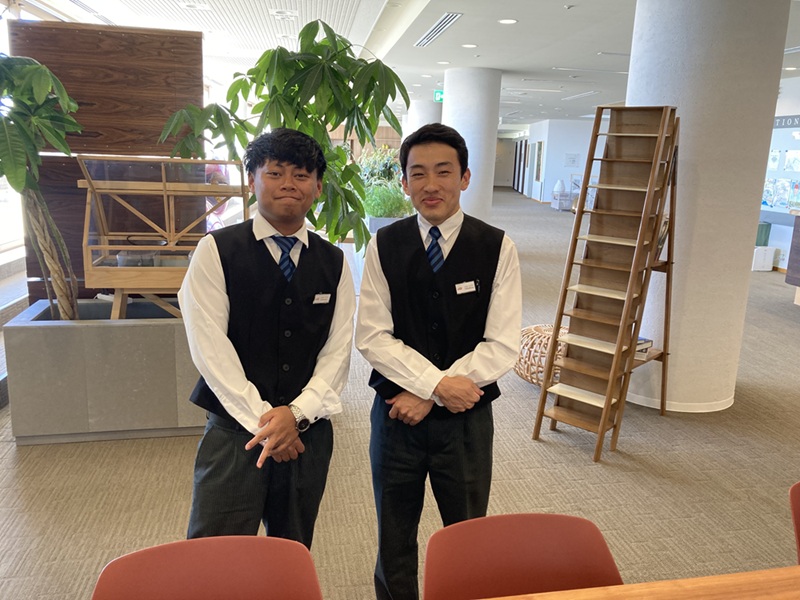
“Getting Started: Learning the Basics from Our Senpai”
— Could you tell us about your current roles?
Theishing:
I mainly support the setup and cleanup of seminar rooms and banquet spaces. Everything was new to me at first, but I learned a lot by working side-by-side with our senior staff.
Raikhan:
In addition to preparing seminar rooms and banquet spaces, I’m also learning by assisting senior staff with front desk check-ins and check-outs, responding to guest inquiries, preparing guest rooms, and handling lodging arrangements. Little by little, I’m getting used to these responsibilities and building my skills on the job.
— How did you get used to your job?
Theishing:
We didn’t go through any formal on-the-job training. Instead, we learned by doing—working closely with our senpai and picking things up step by step.
Raikhan :
I was nervous in the beginning, but thanks to our team, I’ve gradually learned how to manage everything. While the Japanese language and culture are still a bit challenging, I’m doing my best to adapt.
“What we love most is the kindness of our colleagues.”
— What do you like the most about your job?
Theishing:
Definitely the people. Our senior staff treat us with respect and kindness—there’s no discrimination, and I always feel like a valued member of the team. It’s a very supportive environment, which makes it easy to learn and grow. Compared to India, I feel the work environment here is much better.
Raikhan :
Even when we face some miscommunication because of the language barrier, our colleagues are always patient and encouraging. They listen to us, take our opinions seriously, and help us improve.
“We’re thankful for the support we received.”
— How did you find out about the job and what was your experience like coming to Japan?
Raikhan :
Honestly, I didn’t imagine I’d have the chance to work in Japan. While I was studying hospitality in Delhi, the opportunity to interview for TKP came through our institute via the Connect Job program. I decided to give it a shot, and to my surprise, I was selected. That moment changed everything.
Theishing:
We both studied at the same hospitality sector school and joined the same interview event. I had always dreamed of going abroad, and Japan was always at the top of my list because I studied Japanese. Connect Job helped make that dream come true.
— What kind of support did you receive?
Theishing:
Even after we arrived in Japan, they continued supporting us—guiding us through setting up our living essentials, finding supermarkets, and even how to buy bus tickets. This support made us feel very secure, and we’re truly thankful for it.
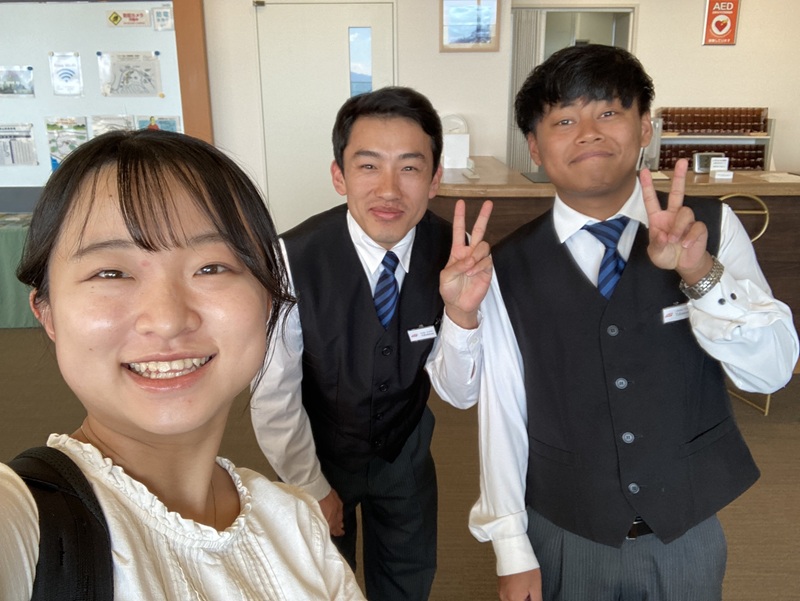
Connect Job staff assists with the start of the life in Japan and provide regular follow-up support.
---“This is our first job—and we’re proud to have started in Japan.”
— What are you most proud of since you started in Japan?
Theishing:
Since this is my very first job, everything is new to me. I’m learning a lot from working both in the seminar and accommodation sections. It’s busy sometimes, but it's a great experience that I know will be valuable in the future. We plan to take JLPT N3 test this year.
Raikhan :
I feel incredibly fortunate to be working in Japan right now. Many of my friends and seniors still dream of coming here, but I was lucky to get this opportunity right after graduation. That’s why I’m proud—not just of the job itself, but of being able to take this first step in Japan.
“We make time to enjoy nature and explore Japan.”
— How do you spend your free time?
Theishing:
When our schedules line up, we like to go out together—usually to nearby beaches or nature spots. We’ve visited places like Zushi Beach, Morito Beach, Kamakura, and even Ishiki Beach in Hayama. It’s a great way to relax and recharge.
Raikhan :
Sometimes our shifts are different, so on my own, I go for walks, go shopping, or just explore the area. We’re planning to buy bicycles soon. Having a bike will give us more flexibility to enjoy our surroundings.
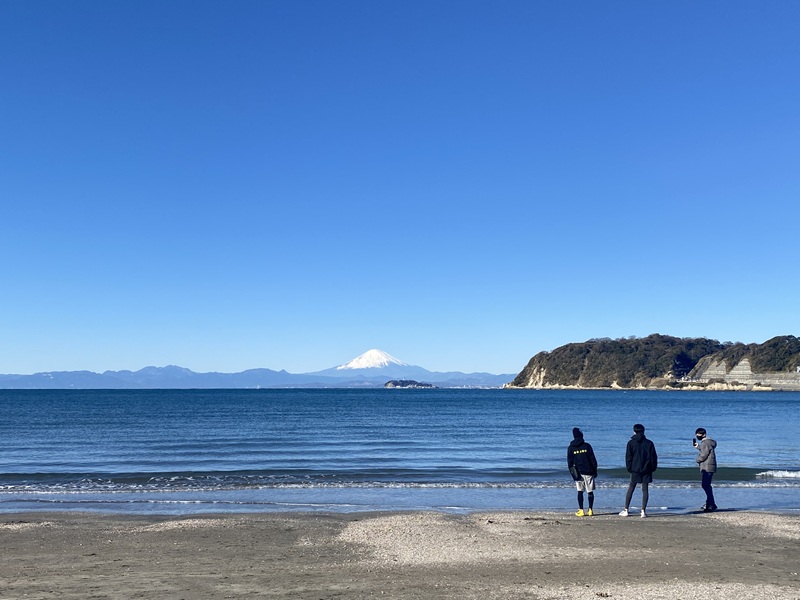
We can see Mt. Fuji from the beach
— Are you still studying Japanese?
Raikhan :
It’s hard to take online courses due to our rotating shifts, so we mainly study on our own. These days, social media content and vocabulary apps are really helpful tools for learning.
Theishing:
At work, we mostly use Japanese when communicating with our colleagues, so every day becomes a learning opportunity. Our mentors even write down useful kanji and phrases during work, which helps a lot. In many ways, learning Japanese has become part of our daily routine.
Raikhan :
We’re really grateful for our mentors. They support us like mothers would—kind, patient, and always there when we need help.
“We want to go deeper into Japanese culture and hospitality.”
— What are your future goals?
Theishing:
I’d like to stay in Japan as long as possible. There’s still so much I want to learn—not only about hospitality operations, but also about Japanese work culture. In the future, I’d love to explore different areas within the hotel industry and continue to grow professionally.
Raikhan :
I want to gain more experience by trying out different roles and continuing to grow over time. Compared to India, I find that Japanese culture, people, and places feel more advanced. Japanese people are also very kind and considerate of others—that makes daily life feel very comfortable here. I haven’t decided on a long-term plan yet, but I’m taking it step by step while enjoying the experience.
“If you want to work in Japan, study Japanese first.”
— Do you have any advice for others considering working in Japan?
Raikhan :
The Japanese language is the key. Whether it’s at work, with your neighbors, or just doing daily tasks, being able to communicate makes all the difference. Once you can speak and understand Japanese, you’ll feel more confident and valued—and you’ll enjoy life here so much more.
Theishing:
Compared to India, Japan offers a better working environment and salary in the hospitality sector. But language really is the deciding factor. In many towns, people don’t speak English, so learning Japanese before coming is essential. If you prepare well, it’ll make everything easier.
YOU MAY ALSO LIKE